Four pilots selected for the African Cities Innovation Fund
In March 2026, with support from the Judith Neilson Foundation, we launched the call for the African Cities Innovation Fund (ACIF), a 12-month pilot grant programme which pairs two urban innovators and supports them to test one question together: can their two business models combine into a new or stronger product or service — and does that combined offer have a credible, equitable pathway to scale?
After a rigourous, three-stage application process, from over 200 applications, we are proud to share the four ACIF pilots which have been selected.
Over the next 12 months, each pilot will receive $75,000 in grant funding, along with structured coaching support by two coaches (a Results for Development and an MLC Ecosystem coach), to strenghten their collaboration, refine their approach and track progress against shared goals. Learn about each pilot below.
Circular Integrated City Waste System (CICWS)

Can waste management become a vehicle for climate adaptation and public-space regeneration?
Partners: Chemolex Circular Bridge Africa, Wetlands International, Eastern Africa and Komb Street Solutions
Location: Nairobi (Kitengela, Mathare, Dandora) and Mombasa, Kenya
The challenge: In Nairobi and Mombasa’s informal settlements, most households and limited or no access to formal waste collection. Plastic waste pollutes rivers and drainage channels whilst women and youth informal waste pickers work in unsafe, undocumented conditions on roughly USD 2 a day.
The pilot: This partnerhip will deploy an integrated circular waste system combining smart river interceptors, community-run waste hubs and digital traceability. Chemolex brings the manufacturing and digital infrastructure to turn plastic into construction materials, Komb Green Solutions leads grassroots moblisation and Wetlands International works to embed the model in county government plans. The aim of this pilot is to register 500 waste pickers as fairly paid circular economy workers and to transform three former illegal dumpsites into green community spaces where children can play safely.
SafeMama Kano: Community—Activated safe Birth Spaces
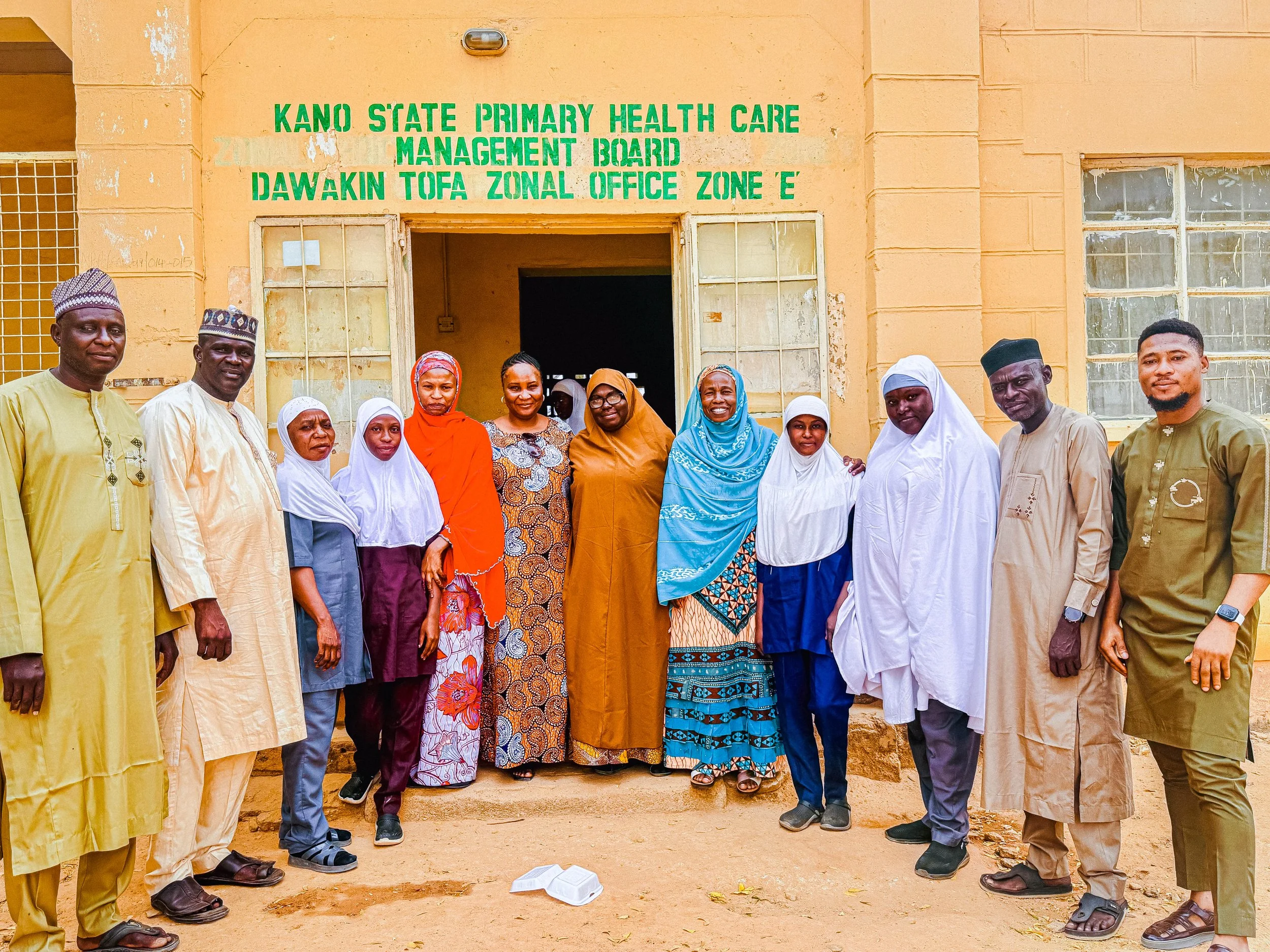
Can a trusted, community-owned real-time signal of facility quality inform where and how women and their families choose to give birth?
Partners: WCAHealth and Nivi, Inc. (with Kano State Ministry of Health as a supporting partner)
Location: Kano City, Nigeria
The challenge: In Kano City, 74% of pregnant women attend antenatal care, yet only 26% deliver in a health facility. The barrier is not distance, it’s trust. With no way of knowing whether their nearest facility is clean, stagged, and stocked, many women make life-or-death birth-location decisions based on poor information.
The pilot: Across 15 primary healthcare centres, community scorecard groups and health workers will generate a monthly safety rating for each facility via askNivi’s WhatsApp platform - displayed publicly on a baord at the facility entrance in Hausa, readable without a phone. WCAHealth leads community accountability and government engagement, while Nivi provides the digital layer. The pilot tests whether a trusted, real-time signal of facility quality can replace rumour as the basis for the most consequential decision of a pregnancy.
Community-Led Plastic Recovery for Circular Manufacturing
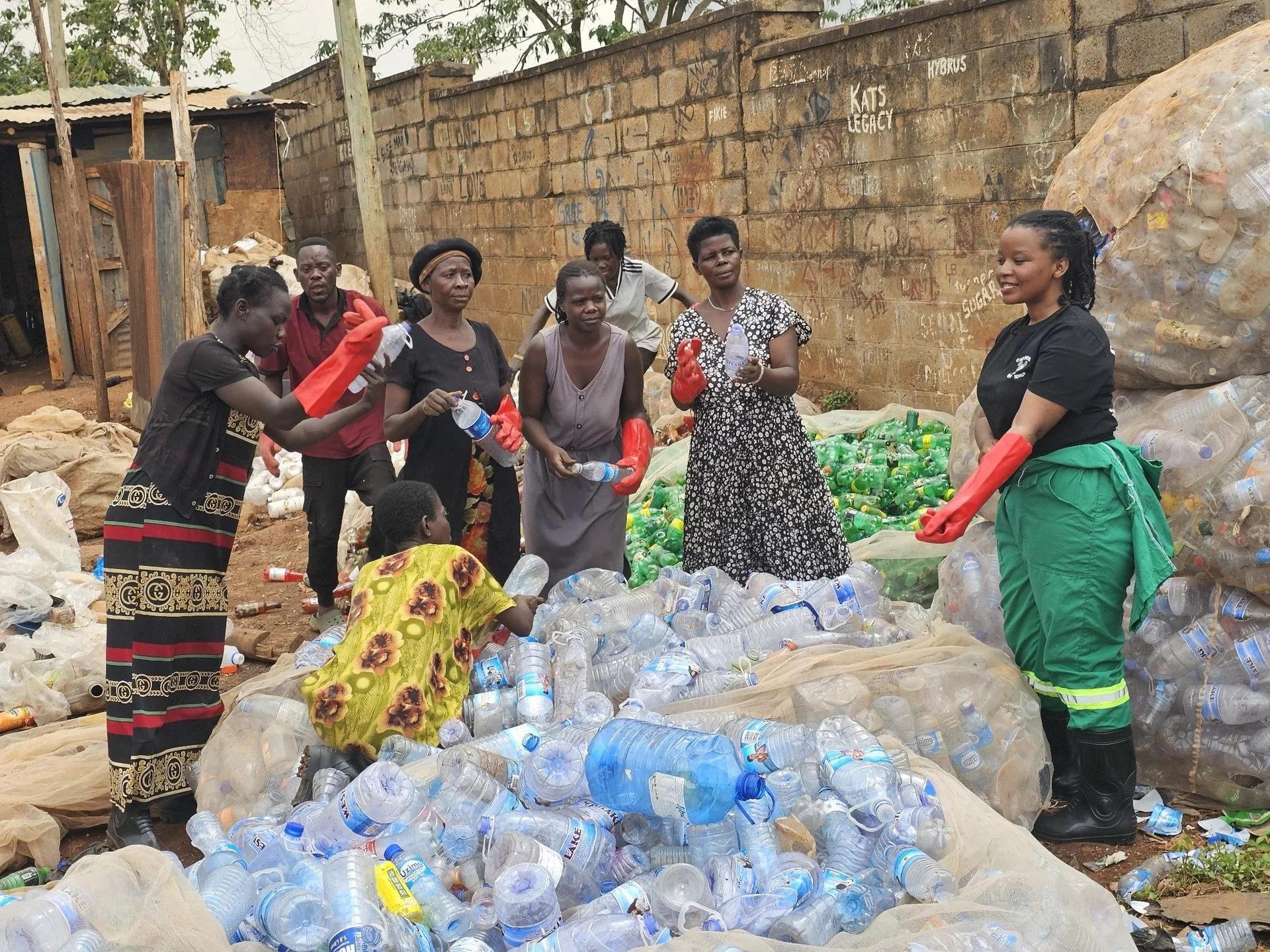
Can market-based partnerships create more sustainable urban circular economies and improved livelihoods for waste collectors?
Partners: Helton Traders and Frontline Waste Network
Location: Kampala, Uganda
The challenge: Over 42% of Kampala’s plastic waste goes uncollected, while the waste pickers who recover the rest - mainly women and youth - work without protective equiptment, sell mixed plastic at around USD 0.16 per kilogram, and have no reliable buyer or fair pricing to count on.
The pilot: The partnership will upgrate three plastic collection hubs into safer, better organised spaces serving 150 waste pickers with training, protective equiptment, transparent quality-based pricing and traceability systems. Frontline Waste Network leads worker-centred organising and welfare safeguards, while Helton Traders provides a guarenteed manufacturing offtake for cleaner plastic - targeting an increase from USD 0.16 to USD 0.25 per kilogram in the price pickers earn, and proving that dignity and commercial viability can be built into the same system.
From Proof to Scale: Care-Enabled Markets
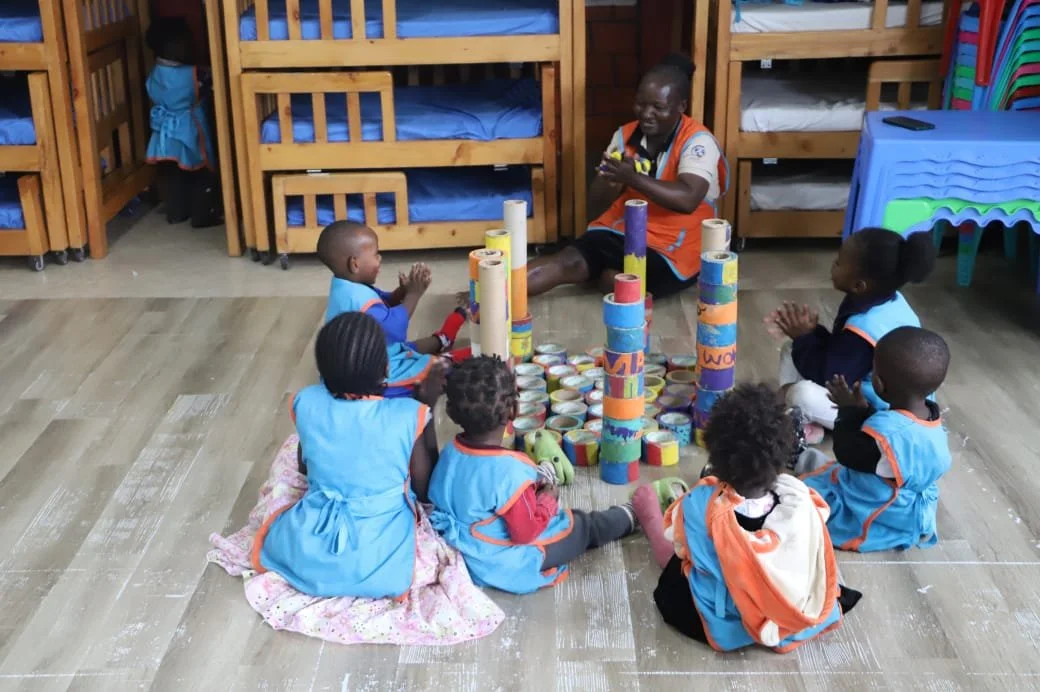
Can institutionalising childcare in municipal planning and programming become an enabling infrastructure for women's economic participation in cities?
Partners: WowMom Kenya and Nairobi City County Government
Location: Muthurwa Market, Nairobi, Kenya
The challenge: Women make up approximately 80% of traders in Nairobi’s markets, yet Muthurwa Market has no childcare infrastructure, resulting in women having to trade with young children in unsafe, congested conditions, limiting their income-earning potential by 53%. In addition, 93% of traders haven’t accessed a single training opportunity in two years because of caregiving responsibilities.
The pilot: Wow Mom Kenya will establish a day-and-night childcare training hub within Muthurwa Market, serving 500 children and 50 women traders with quality childcare aligned to market hours alongside financial literacy and business training. Nairobi City County Government provides the space, market access and a pathway to policy integration - testing whether childcare can be instiutionalised not as a charitable add-on, but as a standard urban market infrastructure.