Scaling waste-to-energy solutions for inclusive livelihoods and resilient low-income cities
MLC Voyager | Sanivation Ltd
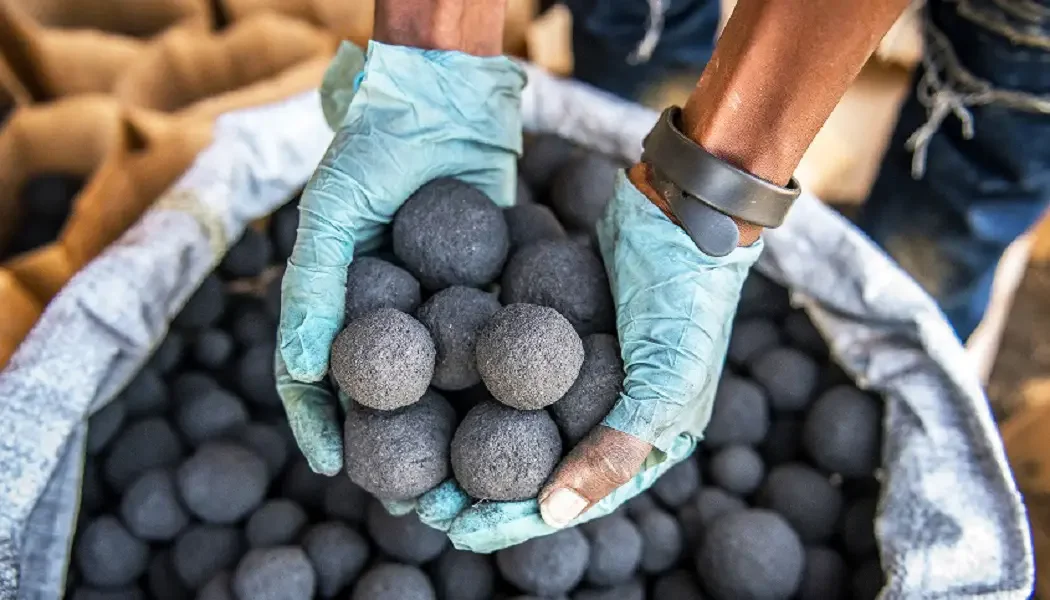
The model repurposes human waste by combining treated faecal sludge with locally available biomass to produce clean and affordable fuel briquettes for use in institutions, creating green jobs along the service chain. Improved waste management boosts public health outcomes, conserves the environment, and reduces emissions, leading to thriving urban cities.
350,000 Lives Impacted
The sanitation waste-to-value innovation is based on a circular model that repurposes waste to clean energy for industrial use, thus solving waste management, clean energy, public health risks, and elevating economic value along the service chain through job creation. Specifically, to date, the innovation has transformed livelihoods in secondary cities in Kenya through:
● 100+ Jobs created, with at least 30% being women
● 8549 Tons of waste treated
● 6536 Tons of briquettes produced
● 15,686 tons of Co2 equivalent emissions offset
● 8 secondary cities reached in Kenya, and official partnerships established
The Innovation
Sanivation’s innovation integrates sanitation treatment with renewable energy production into a single circular system. The model works as follows:
Faecal sludge is collected from households and institutions through local utility partnerships.
Sludge is transported to a faecal sludge treatment plant (FSTP).
It is safely treated through chemical and biological processes.
The treated material is combined with locally sourced biomass such as sawdust or agricultural residue.
The mixture is processed into clean, industrial-grade fuel briquettes.
Briquettes are sold to institutional and industrial off-takers, replacing firewood and coal
Sanivation partner and work with DFIs and local govt./utilities across 8 secondary cities in Kenya, such as Naivasha, Turkana, Wajir, among others. Their model addresses the neglected non-sewered sanitation, as wastewater treatment plants prioritise sewered delivery, and thereby contribute to resource recovery, provide clean, affordable fuel for industries, and strengthen safe sanitation delivery. Sanivation’s Naivasha plant went from greenfield to commissioning within 12 months. We are now in the process of constructing a bigger FSTP to serve more people. Beyond Kenya, Sanivation is pursuing regional impact; we have active projects in Nigeria and Tanzania, with plans of further regional expansion.
Scaling is positioned through both public and commercial sectors, through model adoption into policy, prioritizing non-sewered sanitation in county development plans, and increasing commercial use of briquettes. Ultimately, we want to help local governments and water utilities to transition to circular economies.

About Sanivation
Sanivation is a social enterprise that delivers clean, safe, and efficient sanitation services to urbanizing secondary cities and communities in low-income countries. Our mission is to improve the dignity, health, and environment of these cities by developing and delivering safe and sustainable sanitation services. Our experience operating across all phases of the sanitation planning and assessment value chain from a for-profit enterprise perspective, enables us to understand how theory meets practice to drive service delivery.